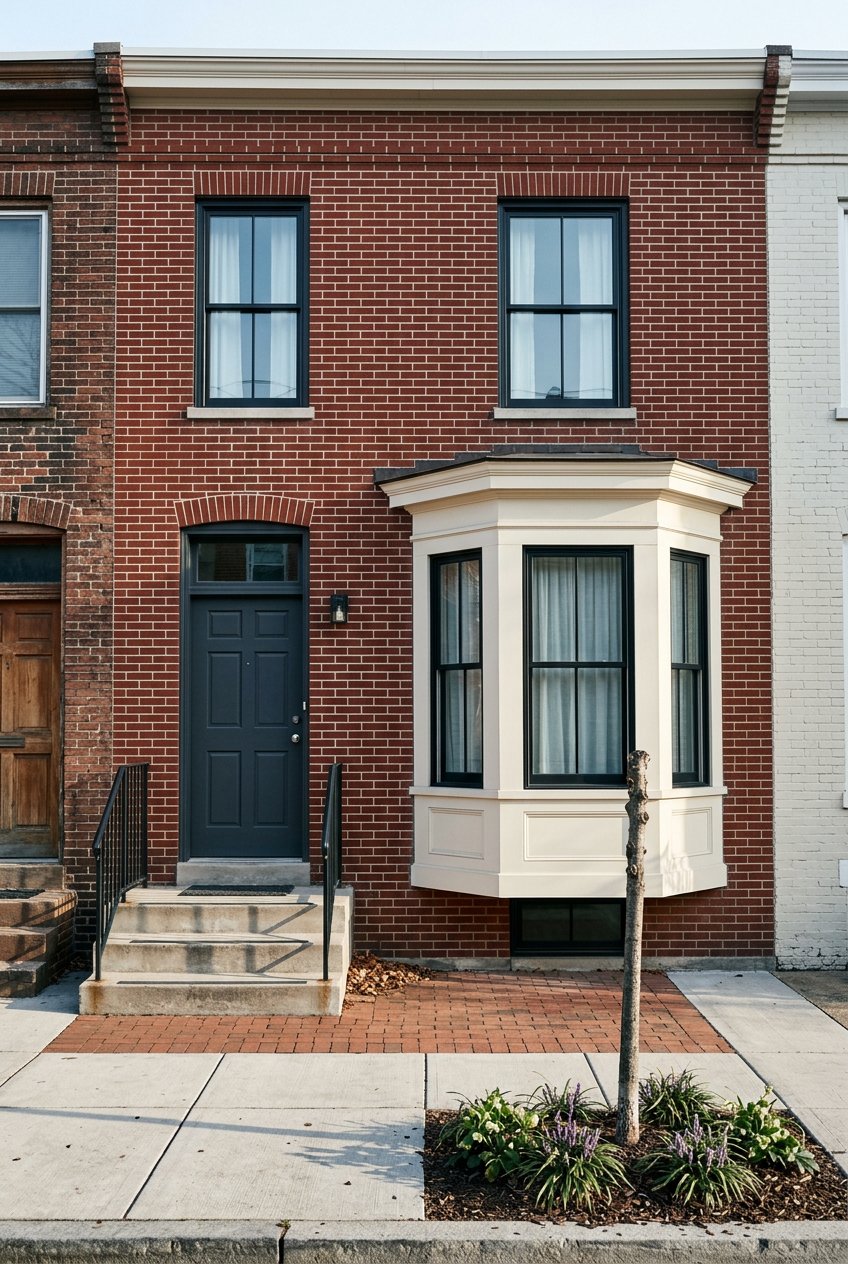
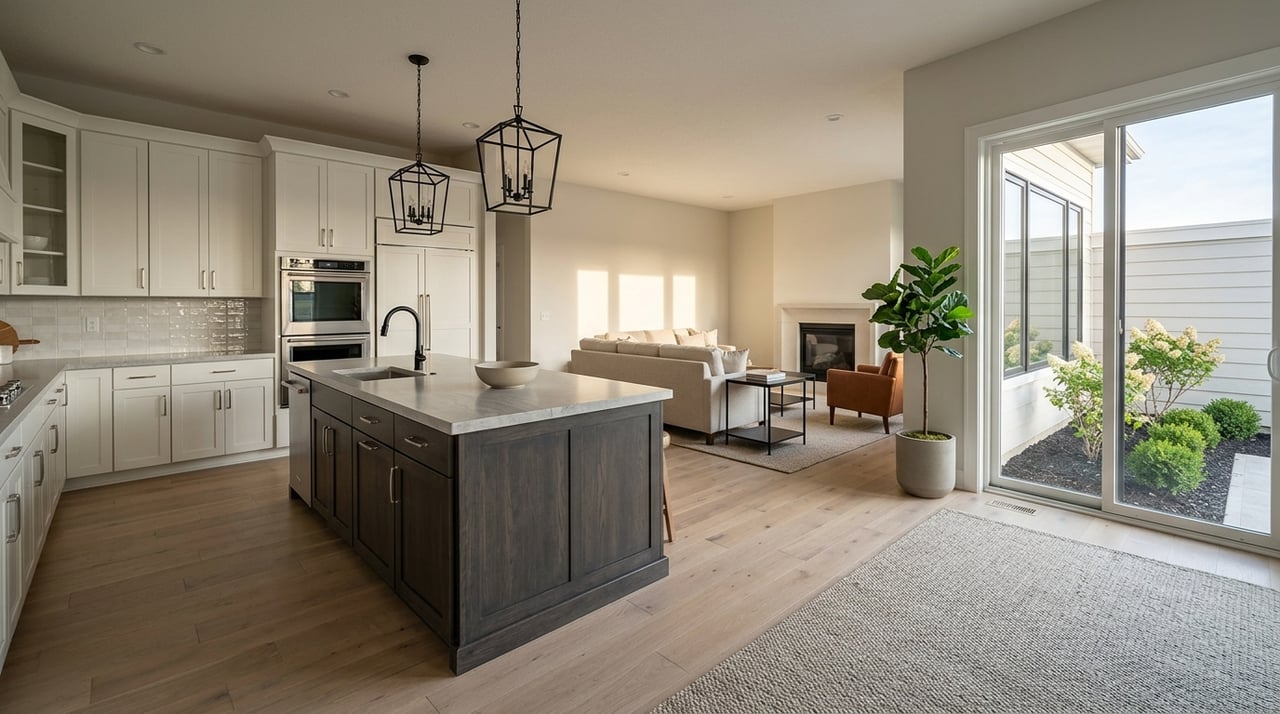
You walk past a classic DC rowhouse and picture new floors, a brighter kitchen, maybe a legal basement apartment. The upside feels real, but the path can get complicated fast. Between zoning, historic review, and permits, the rules shape your budget and your return. In this guide, you’ll get a clear screening checklist, realistic cost ranges, key zoning and ADU rules, common pitfalls, timelines, and a simple deal check you can use on any property. Let’s dive in.
Quick screening checklist while you browse
Use this fast filter to separate real opportunities from money pits.
- Age and listing clues: Look for “as-is,” “needs TLC,” or “estate sale,” plus original kitchens or baths. Older DC rowhouses often have solid bones but hidden systems needs.
- Basement potential: Note ceiling height, signs of water, and whether there is safe egress. Converting to a rental typically triggers permits and occupancy approvals.
- Zoning confirmation: Check the property’s zone first, then apply ADU rules. Owner-occupancy rules in many R zones change the rental math. Review the accessory apartment language in Subtitle U.
- Historic district flag: If the home sits in a historic district, visible exterior changes and many additions need review by HPO/HPRB. Plan extra design time and costs. Start with the Historic Preservation Review Board overview.
- Permit history: Look for past alteration permits and whether they closed. Many projects in DC require permits and inspections. See the DOB overview on how to get a permit.
- Title risk: Open or expired permits can slow or derail closings. The risk is well documented, so raise it early with your title company. The Washington Post explains how open permits can hold up a sale.
What makes DC different
DC projects often involve layered approvals. Plan review can route to multiple agencies, including the Department of Buildings (DOB), Historic Preservation (HPO/HPRB), DOEE, DDOT, and DC Water. This is normal, but it adds steps and time. Learn the basics from DOB’s permit process overview.
Zoning and ADU rules that change your model
Many buyers plan to create a basement rental. In several R zones, the accessory apartment path can require owner occupancy, which shifts you from a pure investment to a house-hack model. In RF zones, the two-unit flat rules are different. Always confirm the property’s zoning district and apply the exact text in Subtitle U before you model income.
Historic districts add time and design constraints
Exterior changes visible from the street, and many rear additions in designated districts, require HPO review and sometimes HPRB hearings. Expect compatibility standards for massing and materials, plus longer timelines. Start your check at the HPRB and Historic Preservation page.
Typical DC rowhouse projects and budgets
These are planning estimates, not bids. Actual costs vary by block, finish level, and hidden conditions. Get local contractor quotes for any property you are serious about.
| Project type |
Typical DC range |
Notes |
| Cosmetic refresh |
$5,000–$25,000 |
Paint, floors, lighting, hardware; minimal permitting. |
| Kitchen remodel (midrange) |
$30,000–$75,000 |
Scope and finish drive the spread; see DC cost guides like Sweeten’s overview. |
| Bathroom remodel (midrange) |
$12,000–$40,000 |
Layout changes and plumbing moves add cost; Sweeten’s DC ranges apply. |
| Basement finish (no dig-out) |
$30,000–$80,000 |
National baseline sits around this range, with DC often on the higher end. See Fixr’s remodel guide. |
| Underpinning or dig-out |
$40,000–$200,000+ |
Structural, slow, and costly. Review DC-specific underpinning notes from Basement Remodeling. |
| Rear addition or roof deck |
$100,000–$400,000+ |
High design and permit attention, often routing through multiple agencies; see DOB’s permit overview. |
| Whole-house or gut rehab |
$200–$500+ per sq ft |
Full design, engineering, and inspections, with large contingencies. |
Due diligence that protects your upside
- Verify permits and occupancy: Basement apartments and unit count changes often require updates to the Certificate of Occupancy. Do not assume a prior finish is legal.
- Screen for unpermitted work: A missing or open permit can block financing and delay closing. Ask your title company early. The Washington Post covers how open permits can derail deals.
- Plan for lead-safe practices: For pre-1978 homes, any disturbance of painted surfaces triggers EPA RRP rules. Confirm contractor certification and lead-safe work practices using the EPA RRP guide.
- Expect asbestos checks: DC requires notifications and permits for abatement. Build in testing and plan according to DOEE’s asbestos rules.
- Watch structural red flags: Look for foundation cracks, signs of prior underpinning, and party-wall issues. Underpinning is expensive and slow in DC, so study the scope with a structural engineer. Read DC-specific context from Basement Remodeling.
- Budget a healthy contingency: Older rowhouses deserve 10 to 25 percent in contingency, especially when excavation, party walls, or historic review are involved.
A simple deal check you can use today
Work through these steps before you fall in love with the listing.
- Estimate After-Repair Value (ARV)
- Pull 3 to 6 recent sold comps on the same block or nearby. Match square footage, beds, baths, and finish level as closely as possible. Be cautious with price per square foot unless homes are truly comparable.
- Build your all-in cost
- Purchase price
- Closing and acquisition costs, often 2 to 6 percent
- Hard construction costs
- Soft costs, such as design, permits, and inspections
- Financing and interest
- Carrying costs during the project, including taxes, insurance, and utilities
- Contingency, usually 10 to 25 percent for older homes
- Compare to a threshold
- For a resale-focused project, many investors use a conservative target where total cost divided by ARV stays at or under roughly 80 to 85 percent. For buy and hold, model cap rate and cash flow, and apply the correct zoning and ADU rules for the address.
Example worksheet, for illustration only:
- ARV estimate: $1,000,000 based on three renovated comps.
- Total project cost: $800,000 made up of $700,000 purchase, $40,000 closing and carry, $40,000 hard and soft costs, plus $20,000 contingency.
- Ratio: $800,000 divided by $1,000,000 equals 80 percent. That meets a typical flip threshold, pending permit feasibility and timeline.
Financing options to explore include FHA 203(k), Fannie Mae HomeStyle Renovation, and Freddie Mac CHOICERenovation. Each has eligibility, documentation, and draw rules. The FHA program’s consumer sheet is a helpful starting point.
Timeline expectations in DC
- Cosmetic refresh: 2 to 8 weeks. Little or no permitting, contractor availability matters.
- Kitchen or bath remodel: 6 to 12 weeks. Trade permits and inspections often apply. See permit triggers in DOB’s How to Get a Permit.
- Basement finish without dig-out: 8 to 16 weeks. If creating a rental, factor an updated Certificate of Occupancy.
- Underpinning or structural addition: 6 to 12+ months. Engineering, party-wall coordination, special inspections, and staged construction add time. Review DC-specific notes at Basement Remodeling.
- Historic district review: Add several weeks to months for HPO staff review or potential HPRB hearings. Start with the HPRB overview.
How I help you find and execute value-add
You want a clear plan, not guesswork. My approach pairs a simple, finance-forward analysis with DC-specific due diligence. I help you screen listings for zoning fit, permit history, and realistic cost ranges, then build a calm, data-based strategy for offers and timelines. If you are selling a rowhouse instead, we can also use Compass Concierge to fund targeted pre-list improvements that boost market appeal, with nothing due until closing.
If you are eyeing a DC rowhouse and want a steady, expert second opinion, let’s talk. Connect with the Marshall Carey Realty Group to review your target, run the numbers, and map next steps. Schedule a free consultation.
FAQs
What permits do I need to renovate a DC rowhouse?
- Most interior alterations, basement finishes, additions, decks, and systems upgrades need permits and inspections, and some routes through sister agencies; see DOB’s permit overview for triggers and process.
Can I add a basement apartment in DC without living there?
- Often no in R zones, since many accessory apartments require owner occupancy, while RF zones have different two-unit rules; confirm your address against Subtitle U.
How do historic districts affect exterior changes on rowhouses?
- Visible exterior work and many rear additions require HPO review and sometimes HPRB hearings, which add time and compatibility requirements; start with the HPRB overview.
What hidden costs show up most in older DC rowhouses?
- Lead-safe work on pre-1978 paint, asbestos testing and any required abatement, and structural fixes like underpinning can add significant cost and time; see the EPA RRP rules and DOEE asbestos guidance.
Do open or expired permits really affect closing in DC?
- Yes, they can delay or derail closings and financing, so ask your title company to check early and review DOB records; the Washington Post explains the risk from open permits.
When does a basement conversion require a new Certificate of Occupancy?
- Creating a legal rental or changing unit counts usually requires an updated Certificate of Occupancy; single-family exemptions exist in some zones, but confirm the correct path with DOB.