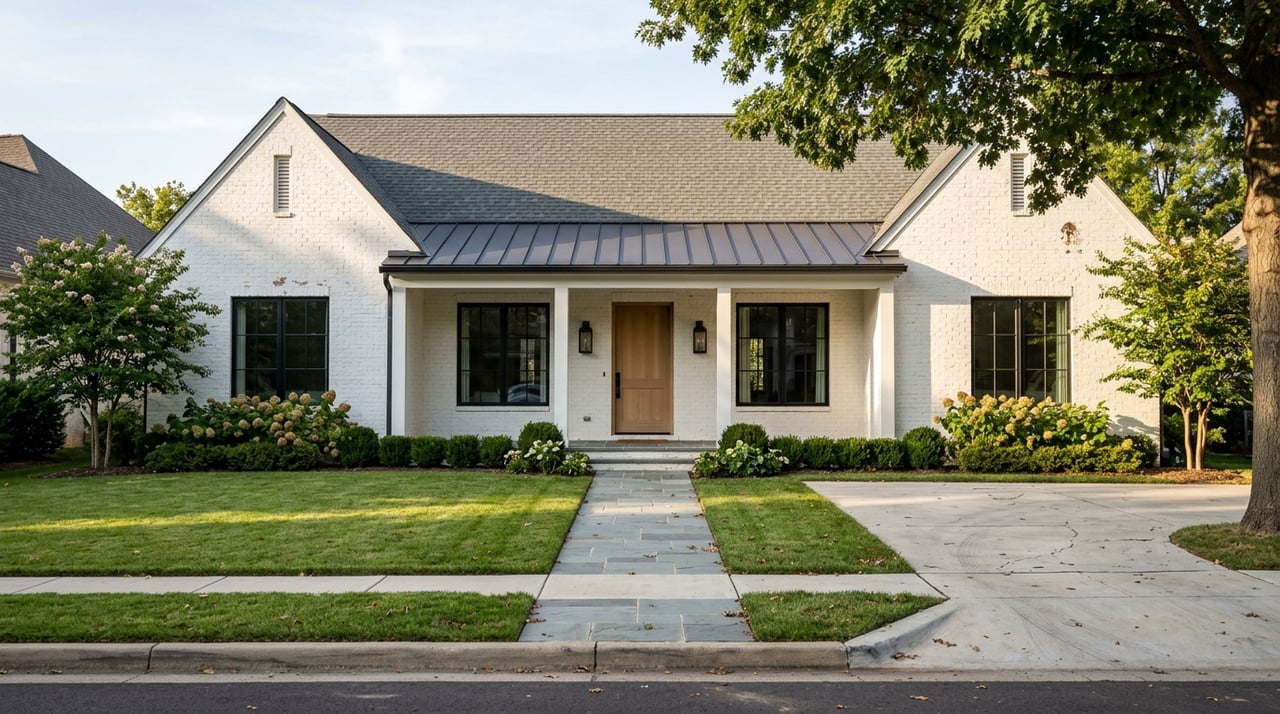
Living In McLean: Space, Convenience And Community
April 16, 2026
April 16, 2026
If you are trying to find a Northern Virginia community that gives you more room without losing access to the wider DC area, McLean tends to stand out quickly. You may be weighing space, commute options, housing style, and everyday convenience all at once. This guide will help you understand what living in McLean actually looks like, from housing and parks to shopping, transit, and community life. Let’s dive in.
McLean is a census-designated place in Fairfax County with 50,773 residents spread across 24.80 square miles of land area, according to the U.S. Census QuickFacts for McLean CDP. In practical terms, that gives the area a more spacious feel than a denser urban neighborhood.
The numbers also point to a market that is both established and expensive. The Census reports an 86.1% owner-occupied housing rate, a median owner-occupied home value of $1,412,700, and a median gross rent of $3,422, which helps set expectations if you are planning a move here. McLean is not typically a budget-driven housing search, but it can appeal to buyers who want long-term space, stability, and access to major job centers.
One of the clearest things about McLean is that it is primarily residential, not a dense commercial center. Fairfax County planning documents describe a mix of residential uses that includes mid- to high-rise multifamily buildings, townhouses, and single-family detached homes, with single-family neighborhoods and parkland surrounding the local business core.
That local core is the McLean Community Business Center, centered near Chain Bridge Road and Old Dominion Drive. County planning describes it as a community-serving district rather than a regional downtown, which is a useful distinction if you are looking for a place that feels more neighborhood-oriented than high-rise and fast-paced.
Fairfax County’s downtown McLean design guidelines reinforce that direction. The plan emphasizes a small-town feel with brick sidewalks, street trees, outdoor cafes, lively park spaces, and a future town-square or village-green style gathering place.
If you are asking what kinds of homes are common in McLean, the short answer is that you have a range of options. County planning documents note existing mid- to high-rise multifamily, townhouses, and single-family detached residences within the broader area.
For many buyers, that means McLean can support different stages of life and different priorities. You may be looking for a lower-maintenance condo or apartment near transit, a townhome with a bit more space, or a single-family home with a more traditional suburban layout.
There is also some newer transit-oriented housing tied to the Metro area. Fairfax County says Somos at McLean Metro will deliver 456 affordable rental homes in two mid-rise buildings within walking distance of McLean Metro and the Tysons pedestrian bridge.
For many people, McLean’s appeal starts with the balance between housing and open space. You can live in an area with established residential streets and still be close to major parks, trails, and natural areas.
Fairfax County says it has more than 600 miles of trails and bikeways, and its wayfinding program includes signage in downtown McLean and Tysons along major trail corridors. That helps support the sense that outdoor access is not just a bonus here. It is built into how the area connects.
McLean offers a strong mix of neighborhood recreation and larger natural destinations. Depending on how you like to spend your free time, you can choose from local parks, rugged hikes, and regional trail connections.
Some notable options include:
Fairfax County also says the Scott’s Run Trail project added 2,676 linear feet of trail linking the area near Westgate Elementary School to near the McLean Metro Station. That supports better connections between neighborhoods, transit, and outdoor space.
A common question from buyers is whether McLean feels self-contained or whether daily life naturally extends into nearby Tysons. The answer is usually both.
Downtown McLean still centers on the McLean Community Business Center, which Fairfax County describes as a large community shopping, service, and residential area. It gives you a local hub for errands, services, and neighborhood activity without trying to function like a major urban downtown.
At the same time, county planning notes that the McLean CBC is within two miles of the Tysons Urban Center. That proximity matters because Tysons adds a much larger retail, dining, and transit network to your day-to-day options.
If you want broader shopping, dining, or transit access, Tysons is close by. Fairfax County describes Tysons as its designated downtown, served by four Silver Line stations.
The same county source says Tysons Corner Center offers more than 300 brands and 40 dining destinations, while Tysons Galleria includes over 30 designer shops and upscale dining. In other words, McLean can feel residential and community-focused while still putting a major commercial district nearby.
McLean is not only about homes and commute patterns. It also has established community institutions that support local events, arts, classes, and gathering spaces.
The McLean Community Center is a major part of that ecosystem. It offers classes, lectures, study tours, camps, performing arts, live music, and specialty shows, and its facilities include the 383-seat Alden Theatre and the McLean Project for the Arts galleries.
McLean Central Park and Dolley Madison Library are nearby as well, which helps create a civic and cultural center rather than just a shopping district. If you are evaluating fit, that local infrastructure can make a real difference in how connected an area feels over time.
If your work, family, or lifestyle takes you across Northern Virginia or into the broader DC region, transportation access is an important part of the equation. McLean offers a suburban setting, but it is not cut off from transit.
Fairfax County’s Connector page lists the McLean Metrorail station at 1824 Dolley Madison Boulevard, served by routes 703, 721, 722, 724, and 480. That gives you a direct link to bus service and the wider Metro system.
The Census also reports a mean commute time of 28.1 minutes for McLean residents. That does not suggest an urban core with ultra-short trips, but it does support the idea of a high-access suburb with meaningful ties to the metropolitan area.
McLean can make sense for buyers who want to prioritize space, established residential surroundings, and access to both local amenities and nearby urban conveniences. It can also appeal to sellers who are marketing homes where lot size, property condition, location, and long-term value all play a major role in buyer decision-making.
From a strategy standpoint, McLean is often a market where clarity matters. Buyers usually benefit from understanding how housing type, transit access, and proximity to Tysons affect both lifestyle and price point. Sellers often benefit from a thoughtful plan around presentation, improvements, and positioning, especially in a high-value market.
If you are considering a move to McLean, the goal is not just finding a house. It is finding the right balance of space, convenience, and community for the way you actually live. If you want help thinking through that decision with a calm, data-informed approach, Marshall Carey Realty Group can help you evaluate your options and move forward with confidence.
Stay up to date on the latest real estate trends.
Yearly Outlook
Get assistance in determining current property value, crafting a competitive offer, writing and negotiating a contract, and much more. Contact me today.